
Life can feel busy and overwhelming. Between work, school, family responsibilities, and daily challenges, many people struggle to find quiet moments for spiritual reflection. For Muslims living in Southern California, knowing the correct pray time in San Diego helps create a daily routine centered on faith, gratitude, and connection with Allah.
Prayer is more than a religious obligation. It is a time to pause, reflect, and seek guidance. Whether you are a longtime resident, a student, a traveler, or someone new to Islam, understanding daily prayer schedules can help you stay committed to your spiritual journey. San Diego’s beautiful environment, peaceful coastline, and diverse Muslim community make it easier to build meaningful worship habits throughout the day.
In this guide, we’ll explore prayer times, their importance, practical tips for staying consistent, and how daily worship can positively impact your life.
Understanding Daily Prayer Times
Muslims perform five daily prayers at specific times based on the position of the sun. These prayers create a rhythm that helps believers stay connected to Allah throughout the day.
The five daily prayers include:
Fajr (Dawn Prayer)
Fajr begins before sunrise and marks the start of the day. This prayer encourages believers to begin their morning with faith, discipline, and gratitude.
Dhuhr (Midday Prayer)
Dhuhr takes place after the sun passes its highest point in the sky. It provides an opportunity to step away from daily activities and reconnect spiritually.
Asr (Afternoon Prayer)
Asr is performed later in the afternoon. It serves as a reminder to remain mindful of Allah during busy hours.
Maghrib (Sunset Prayer)
Maghrib begins immediately after sunset. Many Muslims view this as a special moment to reflect on the blessings received throughout the day.
Isha (Night Prayer)
Isha is the final prayer of the day. It offers peace and closure before rest, allowing believers to end their day with remembrance of Allah.
Why Prayer Times Change Every Day
Many people notice that prayer schedules are not exactly the same throughout the year. This happens because Islamic prayer times depend on the sun’s position rather than a fixed clock schedule.
As seasons change, sunrise and sunset occur at different times. During summer, daylight hours are longer, while winter days are shorter. Because of this natural variation, Fajr, Maghrib, and other prayer times gradually shift throughout the year.
For this reason, it is important to check an updated local prayer timetable regularly.
The Importance of Following Local Prayer Schedules
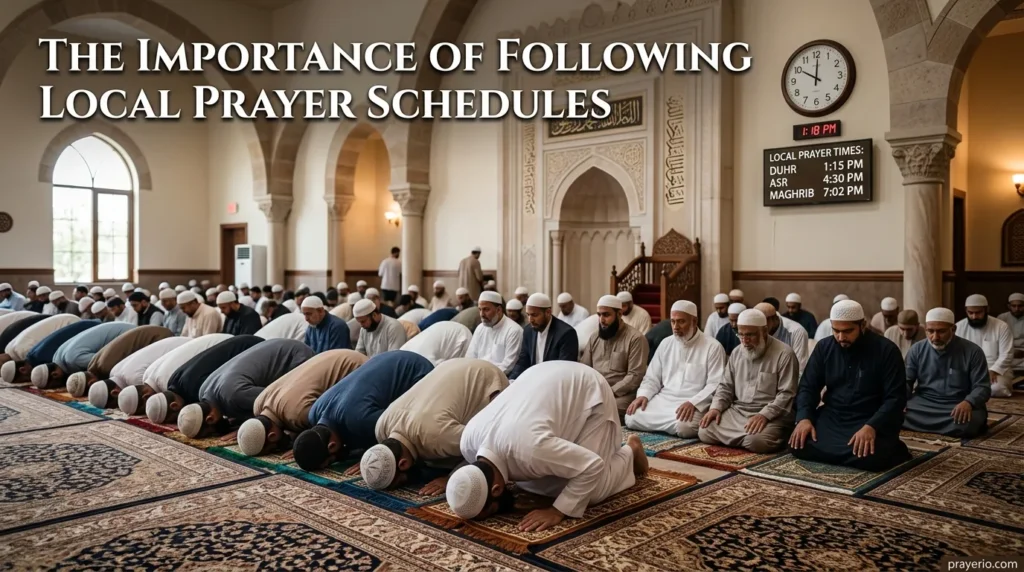
Using local prayer schedules ensures accuracy. Prayer times in San Diego differ from those in other California cities because geographic location affects sunrise and sunset.
Following accurate local timings helps believers:
- Perform prayers within the correct time window
- Maintain consistency in worship
- Strengthen daily spiritual habits
- Avoid missing important prayers
- Build discipline and mindfulness
Many Muslims use mosque announcements, mobile apps, or local Islamic centers to stay informed about daily schedules.
How Prayer Strengthens Spiritual Life
Prayer is one of the most powerful acts of worship in Islam. It goes beyond physical movements and words.
When Muslims pray, they:
- Express gratitude to Allah
- Seek forgiveness
- Ask for guidance
- Find comfort during difficult times
- Develop patience and self-control
Even a few minutes of focused prayer can help calm the mind and reduce stress. In today’s fast-paced world, these moments of peace are incredibly valuable.
A Beautiful Muslim Community in San Diego
San Diego is home to a growing and diverse Muslim population. The city offers many opportunities for worship, learning, and community involvement.
Local mosques often provide:
- Daily congregational prayers
- Friday Jumu’ah services
- Quran study programs
- Youth activities
- Community service projects
- Ramadan and Eid celebrations
Being part of a faith community can help strengthen spiritual commitment and create meaningful relationships.
What are the prayer times at the Islamic Center of San Diego?
Prayer times at the Islamic Center of San Diego may vary depending on the date and Islamic calculation methods. Muslims can check the center’s official announcements or local prayer schedules for the most accurate daily timings.
What are today’s prayer times in San Diego?
San Diego prayer times change every day based on sunrise and sunset. Local mosques, Islamic apps, and prayer time websites provide updated Fajr, Dhuhr, Asr, Maghrib, and Isha timings.
What are Shia prayer times in San Diego?
Shia prayer times in San Diego may follow different calculation methods and schedules depending on the community. Shia Muslims can check with local Shia Islamic centers for accurate prayer times and congregational services.
When is Friday Prayer (Jumu’ah) time in San Diego?
Friday Prayer times in San Diego vary between mosques and Islamic centers. Many communities offer multiple Jumu’ah services to accommodate different schedules.
What are the prayer times in El Cajon?
Prayer times in El Cajon follow the same daily Islamic prayer schedule based on local sunrise and sunset. Muslims can check nearby mosques or trusted prayer apps for current timings.
How can I find San Diego prayer times on Muslim Pro?
Muslim Pro provides daily prayer times based on your location and selected calculation settings. Users can adjust settings to match their preferred Islamic tradition and location in San Diego.
What are the prayer times in Chula Vista?
Chula Vista prayer times change throughout the year as daylight hours change. Local Islamic communities and prayer apps can help Muslims find accurate daily prayer schedules.
What is Asr time in San Diego according to the Hanafi method?
The Hanafi method calculates Asr prayer time using a different shadow-length calculation than some other methods. Muslims who follow the Hanafi school can select this option in prayer apps or confirm timings with local mosques.
Tips for Never Missing a Prayer

Staying consistent with prayer can be challenging, especially during busy schedules. Here are some practical tips:
Set Prayer Alerts
Use a reliable prayer app that provides notifications for each prayer time.
Plan Around Prayer
Schedule meetings, errands, and activities with prayer times in mind whenever possible.
Keep a Prayer Space Ready
Having a clean and quiet area for worship makes it easier to pray immediately when the time arrives.
Visit the Mosque Regularly
Congregational prayer provides motivation and accountability.
Make Prayer a Priority
Treat prayer as an essential appointment rather than an optional activity.
Small habits practiced consistently often lead to long-term spiritual growth.
The Emotional Benefits of Daily Prayer
Prayer supports emotional well-being in many ways.
Reduces Anxiety
Prayer reminds believers that Allah is always present and aware of their struggles.
Creates Inner Peace
Taking time to worship encourages calmness and reflection.
Builds Hope
Prayer reinforces trust in Allah’s wisdom and mercy.
Encourages Gratitude
Regular worship helps people focus on blessings rather than difficulties.
Provides Purpose
Daily prayers create a meaningful structure that keeps faith at the center of life.
Many Muslims describe prayer as a source of comfort during challenging seasons and a way to maintain balance during successful ones.
Real-Life Meaning of Prayer in Everyday Life
Imagine starting your day before sunrise with Fajr. The world is quiet, distractions are limited, and your focus is entirely on Allah.
Later, during a busy workday, Dhuhr provides a chance to pause and reset your mindset. Asr reminds you that faith remains important even during productive hours. Maghrib encourages gratitude as the day ends, and Isha allows you to finish the day with peace.
This rhythm transforms ordinary days into opportunities for spiritual growth.
For many believers, prayer is not simply an obligation—it is a daily source of strength, guidance, and comfort.
A Short Prayer for Guidance and Peace

O Allah, guide our hearts toward what is good and pleasing to You. Grant us peace in our minds, strength in our faith, and sincerity in our prayers. Help us remain consistent in worship and grateful for Your countless blessings. Ameen.
Benefits of Praying on Time
Performing prayers at their proper times offers many benefits.
Strengthens Faith
Regular worship deepens a person’s relationship with Allah.
Improves Discipline
Prayer encourages punctuality and responsibility.
Increases Focus
Short breaks for worship can improve mental clarity throughout the day.
Encourages Good Character
Prayer reminds believers to act with honesty, kindness, and patience.
Creates Spiritual Consistency
Daily prayer builds a strong foundation for lifelong faith.
Enhances Community Connection
Praying with others strengthens unity and support within the Muslim community.
How Families Can Build a Prayer Routine
Families who pray together often develop stronger spiritual bonds.
Here are a few ideas:
- Pray at least one daily prayer together.
- Teach children the meaning behind each prayer.
- Create a family prayer calendar.
- Visit local mosques regularly.
- Encourage positive discussions about faith.
When children see prayer practiced consistently at home, they are more likely to maintain those habits as adults.
Technology and Modern Prayer Reminders
Today, technology makes it easier than ever to stay informed about daily prayer schedules.
Useful tools include:
- Islamic prayer apps
- Smartwatch reminders
- Mosque websites
- Online prayer calendars
- Digital Islamic calendars
These resources help believers remain connected to their worship routines regardless of how busy life becomes.
Seasonal Changes and Prayer Awareness
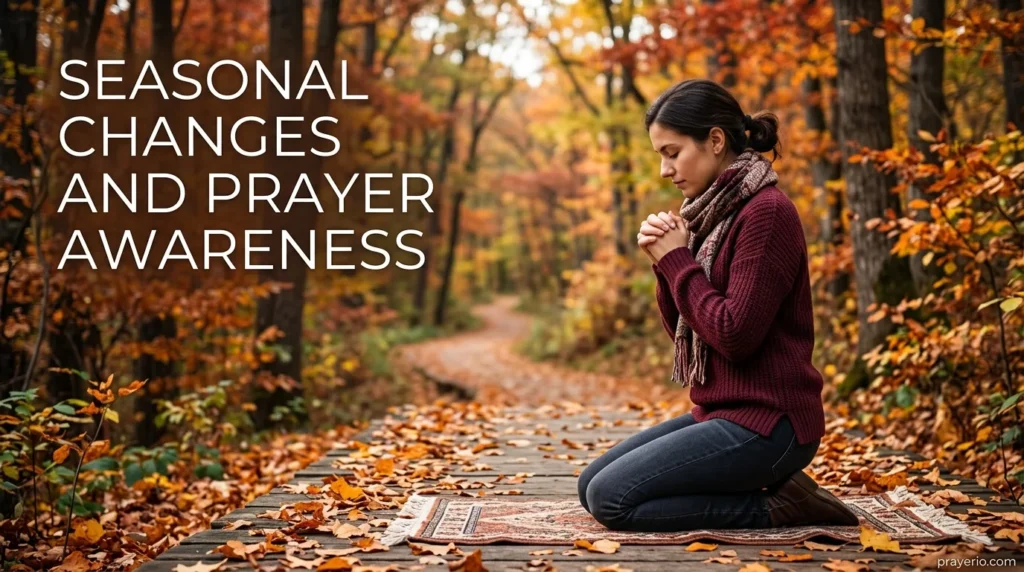
Because San Diego experiences seasonal daylight changes, prayer times vary throughout the year.
During summer:
- Earlier Fajr
- Later Maghrib and Isha
During winter:
- Later Fajr
- Earlier Maghrib and Isha
Regularly checking updated schedules helps ensure accuracy and consistency in worship.
Frequently Asked Questions
1. Why do prayer times change every day?
Prayer times depend on the position of the sun. Since sunrise and sunset shift throughout the year, prayer schedules also change.
2. How can I find accurate daily prayer times?
You can check local mosque websites, trusted Islamic apps, or community prayer calendars for updated schedules.
3. Can I pray a few minutes after the prayer time begins?
Yes. Each prayer has a specific time window. It is best to pray as early as possible within that period.
4. Why is Fajr considered special?
Fajr occurs before sunrise when the environment is peaceful and distractions are minimal. Many Muslims view it as a spiritually rewarding prayer.
5. Is praying at the mosque required?
For men, congregational prayer is highly encouraged. Women may pray at home or attend the mosque if they choose.
6. What should I do if I miss a prayer?
You should perform the missed prayer as soon as you remember and strive to maintain consistency moving forward.
Conclusion
Keeping track of daily prayer schedules helps Muslims stay connected to Allah and maintain a balanced spiritual life. Whether you are checking the latest prayer schedule, attending your local mosque, or simply trying to improve your worship routine, every prayer is an opportunity to strengthen your faith.
The journey of worship is not about perfection. It is about consistency, sincerity, and the desire to grow closer to Allah each day. By following accurate local prayer schedules and making prayer a priority, you can experience greater peace, purpose, and spiritual fulfillment in your daily life.

Fores Toris is a contributor at Prayerio.com who writes about daily duas, Islamic teachings, and inspirational content to support Muslims in their spiritual journey.